
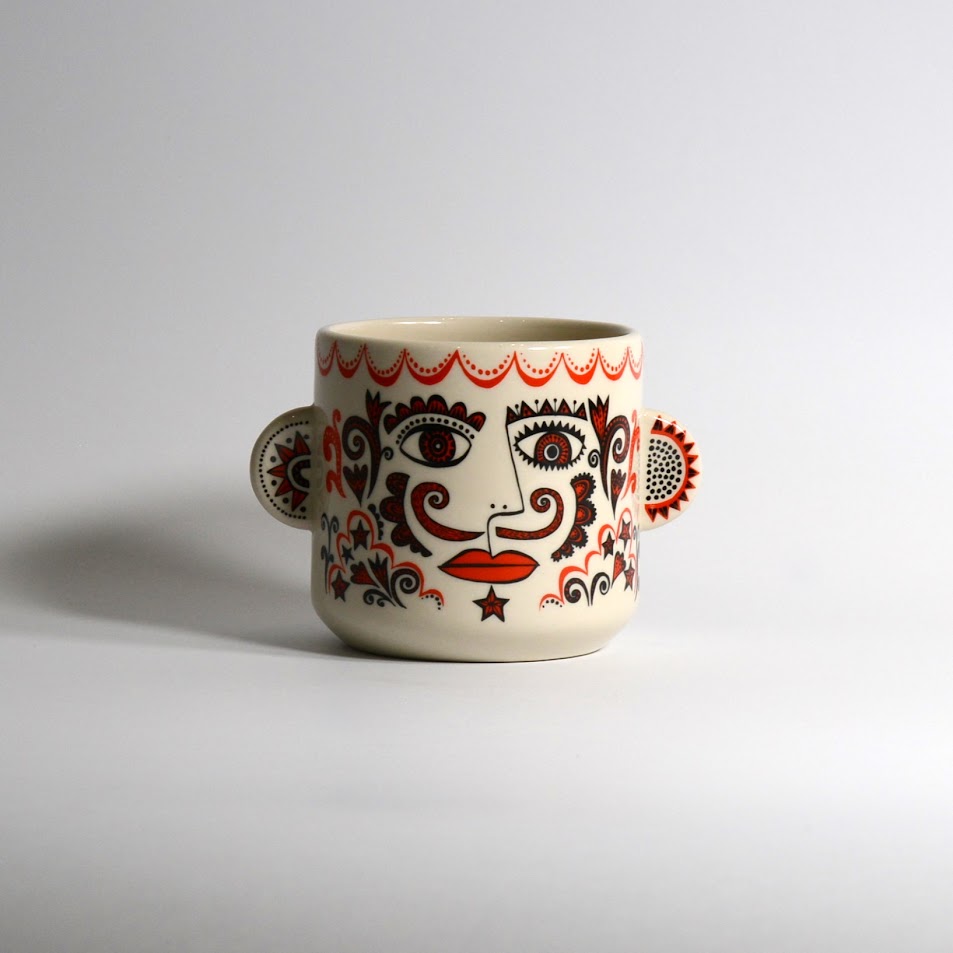
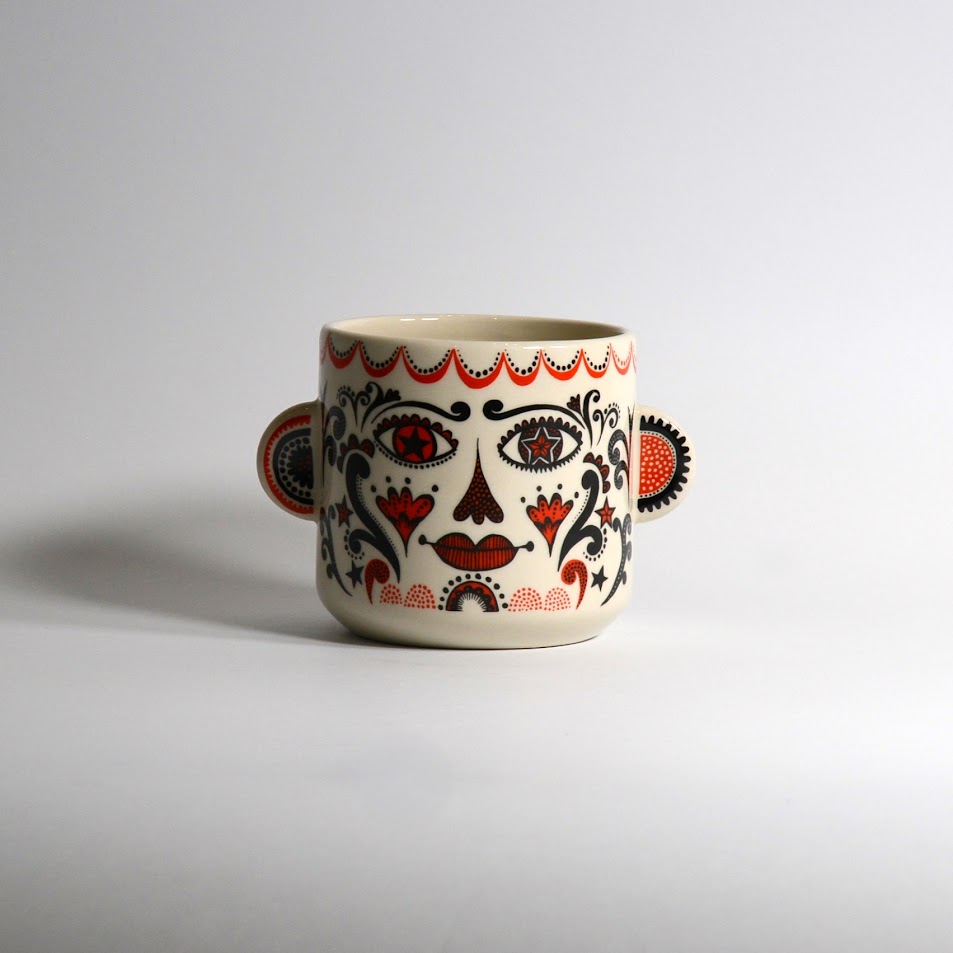
Lush Designs – Clown Pot – Cream And Red – Boxed
Lush Designs
£30.00
Availability: In stock
Product Description
Lush Designs – Clown Pot – Cream And Red – Boxed
Artist: Lush Designs
Price: £30.00 (Free Postage In The UK)
Material: Stoneware
Condition: New
Size: 10cm base diameter 10cm height (not including ears)
Stoneware. Printed and decorated in Staffordshire.
The folklore surrounding facial tattoos is steeped in symbolism, cultural significance, and, at times, mystery. Across various traditions and regions, facial tattoos have represented identity, status, spirituality, and even connections to the supernatural. While not as prominent in British folklore, the broader context of face tattoos offers a fascinating glimpse into their role in human storytelling and belief systems.
Markings of Identity and Belonging
In many traditions, facial tattoos have been used to signify belonging to a particular tribe, clan, or community. These markings often served as visual declarations of lineage, heritage, and social standing. The face, as the most visible part of the body, was seen as a canvas for these powerful symbols, ensuring that one’s identity was immediately recognisable.
Some British travellers and sailors, upon encountering these practices in other cultures, incorporated tales of facial tattoos into their own folklore. Stories of distant lands and exotic peoples often described tattooed faces with awe and intrigue, blending admiration with a sense of otherness.
Spiritual and Protective Symbolism
In folklore, the face is frequently regarded as the seat of the soul, making it a significant location for tattoos imbued with spiritual meaning. Facial tattoos have often been viewed as talismans, offering protection against evil spirits or marking the individual as blessed or chosen by divine forces.
In some traditions, facial tattoos were believed to guard the wearer in both life and death. For instance, specific markings might serve as guides for the spirit in the afterlife, ensuring safe passage to the next world. These ideas, though not native to British folklore, have occasionally woven themselves into sailors’ superstitions and tales, reflecting the cross-cultural influence of maritime exploration.
The Duality of Markings
Folklore surrounding facial tattoos often reflects a duality: they could be symbols of honour and reverence or signs of punishment and shame. In some stories, facial tattoos were used as marks of disgrace, identifying criminals or outcasts. These tales often carry moral lessons about societal norms and consequences, further underscoring the powerful symbolism of the face.
Conversely, tattoos were sometimes associated with bravery and transformation. Warriors marked their faces to intimidate foes or to commemorate significant victories. Folklore often imbued these practices with a mythical quality, portraying such individuals as larger-than-life figures whose tattoos were inseparable from their heroism.
Mystery and the Supernatural
Facial tattoos in folklore are sometimes linked to the supernatural. Stories describe individuals with mysterious markings that seemed to appear spontaneously or that glowed under certain conditions, suggesting a connection to magic or otherworldly powers. These tattoos might grant the wearer special abilities or serve as a curse, binding them to a destiny beyond their control.
Tales of witches, shamans, or mystics occasionally include facial tattoos as marks of their power. In these narratives, the tattoos might change shape or colour, reflecting the character’s mood or the potency of their spells.
Modern Reflections
While the folklore of facial tattoos is more prominent in other cultures, echoes of these ideas persist in modern British storytelling. Facial tattoos often serve as shorthand for themes of rebellion, mystique, or connection to ancient traditions in literature and media. The enduring fascination with such markings highlights their potent symbolic power as representations of identity, transformation, and the interplay between the natural and the supernatural.
Clowns in folklore hold a curious and often dualistic role, embodying both joy and unease across centuries of British cultural history. Rooted in ancient traditions and evolving through time, the figure of the clown is a character that walks the fine line between comedy and chaos, delight and disorder.
Origins and Early Roles
The earliest depictions of clowns in British folklore can be traced to the medieval period, where the fool or jester entertained in royal courts and village festivals. These figures, often dressed in motley clothing and jangling with bells, were more than mere entertainers. They were sharp-witted commentators, using humour and satire to highlight truths others dared not speak. The jester was granted a unique licence to mock authority, cleverly disguising criticism with comic absurdity.
In rural folk traditions, clowns also appeared in festivals and seasonal celebrations, embodying fertility, revelry, and mischief. These figures, often painted or masked, were tied to rituals of the changing seasons, playing a key role in Morris dancing or harvest festivities, where they represented the unpredictable forces of nature.
The Trickster Archetype
At the heart of the clown in folklore lies the archetype of the trickster—a character who disrupts the status quo with pranks, clever deceptions, and playful chaos. British folktales often feature figures with clown-like qualities, from the mischievous Puck in A Midsummer Night’s Dream to local legends of pranksters who outwit pompous authority figures.
Clowns were also seen as liminal beings, existing on the fringes of society. Their exaggerated costumes, painted faces, and unpredictable behaviour marked them as “other,” allowing them to operate outside the normal rules of conduct. This gave them a paradoxical power: while they amused and delighted, they also held a certain unsettling mystique.
Clowns in Performance and Pantomime
By the 18th and 19th centuries, the clown had become a staple of British pantomime and circus traditions. Figures like Joseph Grimaldi elevated the clown from folk entertainer to theatrical icon, introducing the exaggerated makeup and physical comedy now synonymous with clowning. Grimaldi’s “Joey” became a beloved figure, embodying the slapstick humour that brought joy to audiences of all classes.
However, even in these theatrical roles, clowns retained a darker edge. Their outlandish appearance and unpredictable antics often carried a hint of the grotesque, reminding audiences of the thin line between laughter and discomfort.
The Duality of Clowns
The ambiguity of clowns in British folklore is perhaps their most enduring trait. On one hand, they are figures of merriment and celebration, bringing light-hearted joy to festivals, fairs, and performances. On the other hand, they are liminal and unsettling, their painted faces masking true emotions and their exaggerated actions hinting at chaos beneath the surface.
This duality is reflected in the darker tales of clowns in folklore. Some stories speak of clowns who lead unsuspecting individuals astray or embody supernatural forces. Their association with masks and transformation has, at times, linked them to fears of deceit and malevolence.
Modern Legacy
Today, the folkloric clown remains a figure of fascination, blending the traditions of comedy, chaos, and mystery. While clowns are often viewed through the lens of entertainment, their folkloric roots as tricksters, commentators, and liminal figures continue to echo in the cultural imagination. From joyous jesters to eerie harbingers, the clown remains a powerful symbol of the unpredictable and the uncanny in British folklore.
This symbol of two-faced revelry is certainly worthy of immortalisation on these fine planters by Lush Designs.
Lush Designs: A Brief Description
Lush Designs is a British company that creates a wide array of beautifully illustrated homeware, with designs that capture a sense of whimsy and charm. Their collections include lampshades, cushions, ceramics, and tea towels, all featuring hand-drawn artwork inspired by nature, wildlife, and folklore.
With vibrant colours, bold patterns, and playful motifs, Lush Designs’ products are ideal for adding character and warmth to any space. Their lampshades, in particular, are known for their striking appearance, with intricate details and rich story-telling elements. We hold a large range in our Ripon gallery but we do not sell them online.
Sustainability is an important aspect of their work, and they focus on creating long-lasting, high-quality pieces. If you’re interested in British-made home décor that brings artistry and creativity to the forefront, Lush Designs offers distinctive items with a signature British touch.
Why Buy from Us?
At Hornseys, we are committed to offering items that meet the highest standards of quality and authenticity. Our collection of objects and fine gifts is meticulously curated to ensure that it reflects refined taste and elegance.
Here’s what sets us apart:
- Authenticity and Provenance: Every range is thoroughly researched and vetted to ensure that it meets our exacting standards.
- Expert Curation: We select each range with an eye for tastefulness, refinement, condition, and visual appeal.
- Customer Satisfaction: We strive to provide an exceptional customer experience, from detailed descriptions to secure and prompt delivery.
- Returns Policy: We offer an unconditional guarantee on every item. If you wish to make a return, any item may be sent back to us within fourteen days of receipt for any reason. We request advance notification of returns, and items must be returned in the same condition as sent for a full refund.
Explore Our Collection:
Visit Hornseys to explore our exceptional collection of fine art, illustration, rare books, gifts and objects. Located in the picturesque Yorkshire Dales, our Ripon gallery has been a haven for art lovers and collectors since 1976.
Related products

Tintin And Haddock Walking To Marlinspike – Porcelain Mug In Display Box – 47985
£19.00Herge & Moulinsart


