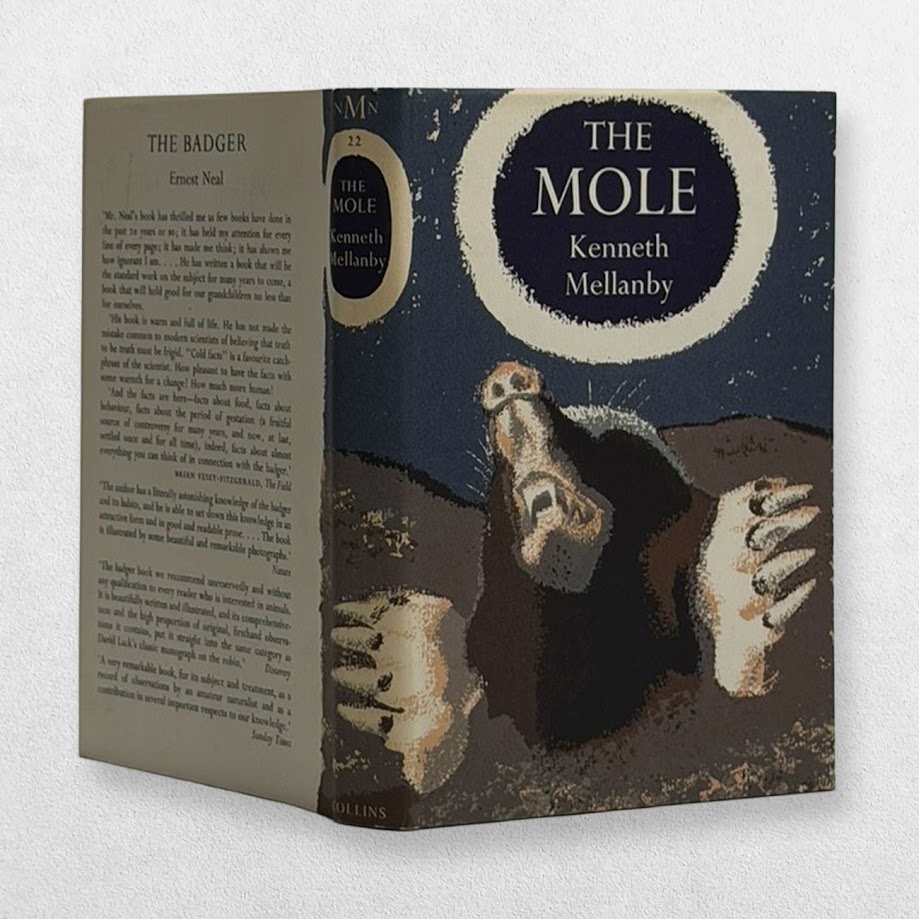
Collins New Naturalist Series Monograph – 22 – The Mole – First Edition – 1971
Mellanby, Kenneth
£30.00
Availability: In stock
Product Description
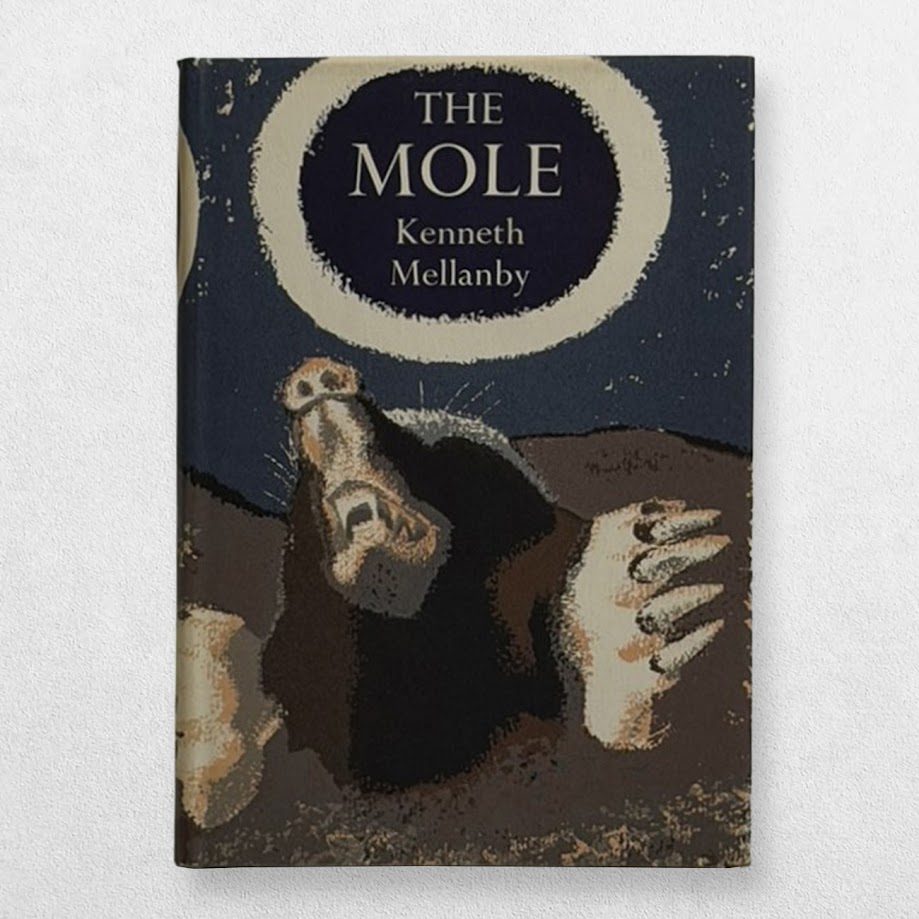
Collins New Naturalist Series Monograph – 22 – The Mole – First Edition – 1971
Author: Mellanby, Kenneth
Publisher: Collins
Price: £30 including postage in the UK
Publication Date: 1971
Edition: First Edition
Size: Octavo
Binding: Original green cloth. Dustwrapper
Condition: Fine in fine dustwrapper
Condition:
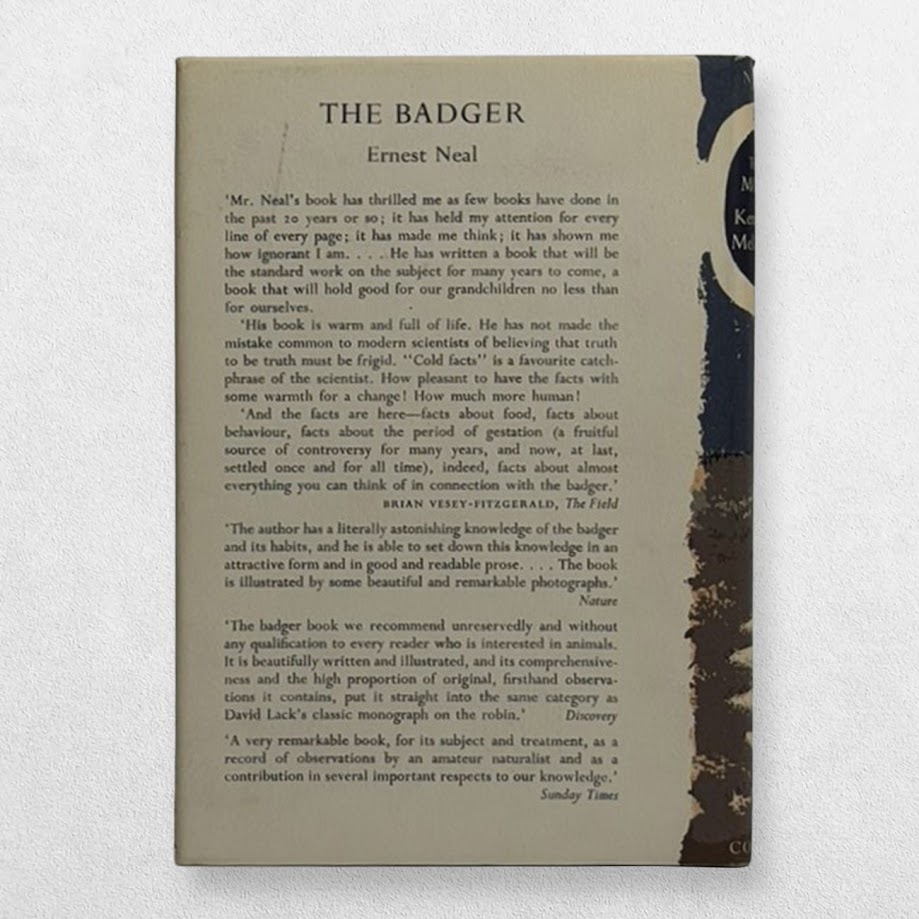
Dustjacket design by Clifford and Rosemary Ellis. Cloth bright and clean with slightly spotted text block. A fine, tight, clean copy in fine, clean dustwrapper which is very slightly sunned and rubbed and has been price-clipped and re-priced £2.50 by the publisher. We usually have first editions of all the New Naturalist Series in stock, please contact us for more details.
The Mole: New Naturalist Monograph 22: A Brief Overview
The Mole is the 22nd volume in the Collins New Naturalist Monograph series, authored by Kenneth Mellanby and first published in 1971. This detailed and highly focused work provides a comprehensive study of one of Britain’s most familiar yet least frequently observed mammals, the European mole (Talpa europaea). Combining careful field observation with experimental research, Mellanby presents a rigorous and accessible account of the species’ biology, behaviour, and ecological significance.
Content Overview:
Biology and Anatomy:
Mellanby offers a thorough examination of the mole’s physical adaptations to a subterranean existence. Particular attention is given to its powerful forelimbs, specialised for digging, and its highly sensitive snout, which compensates for its reduced eyesight. The book explores the mole’s physiology, including its high metabolic rate and the anatomical features that enable it to thrive in low-oxygen environments underground.
Behaviour and Territoriality:
A central theme of the monograph is the mole’s solitary and strongly territorial nature. Mellanby analyses the structure and function of mole tunnel systems, distinguishing between permanent deep tunnels and temporary surface runs. He explains how these systems are used for feeding, nesting, and defence, and how territorial boundaries are maintained through scent marking and aggressive encounters.
Feeding Ecology:
The diet of the mole is examined in detail, with a particular emphasis on earthworms, which form the bulk of its الغذ غذ intake. Mellanby discusses the mole’s remarkable ability to locate prey underground and its habit of storing paralysed worms in underground larders. The ecological implications of this feeding behaviour are considered, especially in relation to soil health and invertebrate populations.
Reproduction and Life Cycle:
The book provides a clear account of the mole’s breeding cycle, including courtship, gestation, and the rearing of young. Mellanby highlights the seasonal nature of reproduction and the challenges faced by juveniles as they disperse to establish their own territories. Mortality rates and population turnover are also discussed.
Habitat and Distribution:
Mellanby explores the distribution of moles across Britain and their preference for particular soil types, notably those that are well-drained and rich in invertebrate life. The influence of environmental factors such as rainfall, temperature, and land use on mole populations is examined in detail.
Relationship with Humans:
The monograph addresses the long-standing and often contentious relationship between moles and humans, particularly in agricultural contexts. Mellanby evaluates the perception of moles as pests, considering both the damage attributed to their tunnelling and their beneficial role in soil aeration and ecosystem functioning. Traditional and modern methods of mole control are discussed with a balanced and critical perspective.
Illustrations and Design:
The volume is supported by a range of diagrams, maps, and photographs that clarify the structure of mole tunnels, anatomical features, and aspects of behaviour. As with other titles in the series, the design reflects the New Naturalist commitment to combining scientific clarity with visual coherence.
Significance:
The Mole stands as a definitive study of a species that is widely distributed yet seldom seen. Mellanby’s methodical approach, grounded in direct observation and experimentation, exemplifies the strengths of the New Naturalist Monograph series—namely, the ability to treat a single subject with depth, precision, and accessibility. The book remains an important contribution to mammalogy and British natural history, offering insights not only into the mole itself but also into the broader ecological systems in which it plays a role.
The Collins New Naturalist Series: A Brief Overview
Introduction
The Collins New Naturalist series is one of the most significant and enduring achievements in British natural history publishing. Launched in 1945 by William Collins, Sons & Co. (now HarperCollins), the series set out to provide authoritative yet accessible accounts of British wildlife, habitats, and ecological principles. Over the decades it has become both a scientific resource and a cultural artefact, revered by naturalists, collectors, researchers, and book lovers alike.
The longevity and influence of the series stem from its commitment to expert authorship, high editorial standards, and a consistent mission: to bring the study of nature to the general reader without compromising scientific integrity.
Origins and Founding Vision
The series emerged in post-war Britain, during a period when public interest in the natural world was expanding. Scientific knowledge had accelerated rapidly during the first half of the twentieth century, and there was a growing appetite for well-written, engaging texts that could bridge the divide between academic research and amateur natural history.
The founding editors—most notably Sir Julian Huxley, James Fisher, and Dudley Stamp—had a clear and ambitious vision:
- To promote ecological literacy among the wider public
- To document the natural history of the British Isles in a coherent, scientifically rigorous format
- To invite leading authorities in their fields to contribute specialist volumes
- To cultivate an informed readership capable of understanding conservation issues
This vision aligned with a broader national desire to reconnect with the British landscape after the dislocation of the war years.
The Early Volumes
The first title, Butterflies by E. B. Ford, set the tone for the series: scholarly yet readable, richly illustrated, and grounded in the most current scientific thinking of its time. The format was instantly recognisable: octavo hardbacks with striking dust-jacket designs by the celebrated artists Clifford and Rosemary Ellis. These covers remain iconic for their bold, stylised depictions of flora and fauna.
Early volumes covered a wide range of subjects, including:
- Birds
- Wild Flowers
- British Plant Life
- Mushrooms and Toadstools
- The Sea Shore
The series helped unify disparate strands of biological knowledge, presenting them in a systematic programme that readers could follow book by book.
Editorial Philosophy and Scientific Approach
The New Naturalist books have always been written by experts—academics, professional naturalists, ecologists, and field researchers—who bring first-hand experience and original research to their subjects.
Key editorial principles include:
- Accuracy and Depth
Each volume is grounded in contemporary scientific understanding, often incorporating cutting-edge research. Many authors have been leading authorities in their fields.
- Accessibility
Although scholarly, the books avoid jargon and are aimed at a broad readership. Field observations, historical anecdotes, and clear explanations help convey complex ecological processes.
- Ecological Perspective
The series pioneered ecosystem-based approaches, examining species and habitats within broader environmental contexts. This ecological viewpoint was ahead of its time and has contributed to the series’ enduring relevance.
- Long-term Documentation
Many volumes remain standards in their fields; some have become important historical records of environmental change across the twentieth and twenty-first centuries.
Design and Production
The visual identity of the series is a major part of its appeal. The Ellis designs, used for most of the twentieth century, are among the most recognisable dust-jackets in publishing history. They combine decorative patterning with scientifically accurate depictions, transforming each book into an artwork as well as a source of information.
Internally, the books are distinguished by:
- High-quality monochrome photographs
- Detailed diagrams and distribution maps
- Clear typography and durable binding
Collectors prize first editions for their craftsmanship and rarity, particularly those with unfaded, unpriced jackets.
Themes and Range of Subjects
The scope of the New Naturalist is unusually broad, covering:
- Individual species groups (e.g., dragonflies, bats, hedgehogs)
- Ecosystems and habitats (e.g., moorlands, woodlands, the sea shore)
- Geographic regions (e.g., the Hebrides, the New Forest, the Yorkshire Dales)
- Ecological phenomena (e.g., animal migration, climate and the landscape)
- Human–nature interactions (e.g., conservation, farming and wildlife)
This diversity ensures that the series provides a near-encyclopaedic survey of British natural history.
Evolution and Continuing Legacy
Despite changes in publishing and scientific practice, the New Naturalist series has continued into the twenty-first century with new volumes commissioned regularly. Contemporary authors maintain the tradition of expert, research-led writing, while incorporating modern ecological concerns such as:
- Biodiversity loss
- Rewilding
- Climate change
- Shifting baselines in environmental science
The series also serves as a historical archive, documenting ecological changes across nearly eighty years. Early volumes can be read alongside recent ones to trace shifts in species distribution, land use, and national conservation priorities.
Impact on British Natural History
The New Naturalist series has shaped generations of British naturalists, influencing both professional scientific development and amateur enthusiasm. Its contributions include:
- Inspiring careers in ecology, zoology, and conservation
- Providing reference texts for universities, libraries, and field groups
- Raising public awareness of environmental issues long before they became mainstream
- Preserving detailed accounts of habitats and species now threatened or transformed
For many readers, the series has been a gateway to lifelong engagement with the natural world.
Collecting and Cultural Status
Beyond its scientific importance, the New Naturalist series is a major collecting field. First editions in pristine condition can command high prices, particularly rare or limited print runs. The combination of scholarly value, artistic design, and bibliophilic appeal gives many volumes a dual identity as both scientific texts and cultural objects.
Special editions, including leather-bound or slip-cased versions, have added further layers of desirability among collectors.
Conclusion
The Collins New Naturalist series stands as a monumental achievement in British publishing and environmental education. It has succeeded, for nearly eight decades, in balancing scientific rigour with literary clarity, making complex ecological knowledge available to the general reader. Its influence on conservation, ecological awareness, and natural history writing is profound and enduring.
Through its expert authorship, iconic design, and unwavering commitment to quality, the series remains a cornerstone of British natural history and continues to inspire readers, researchers, and collectors alike.
Cataloguer: Daniel Hornsey of Hornseys, Ripon: Specialist Dealer in First Editions and Fine Copies of the Collins New Naturalist Series
Daniel Hornsey, a partner of Hornseys in Ripon, is widely regarded as a trusted specialist in the field of modern British natural history books, with a particularly strong reputation for handling first editions and fine copies of the Collins New Naturalist series. His expertise has been built over many years of professional bookselling, during which he has developed a deep understanding of the series’ publishing history, bibliographic nuances, and the specific qualities that distinguish truly exceptional copies.
As a long-standing member of the antiquarian book trade, he has advised private collectors, curated catalogues, and sourced works for leading dealers, libraries and institutions across the world.
Hornseys, an established independent bookshop and gallery, is known for its careful curation and its emphasis on quality. Under Daniel Hornsey’s guidance, the shop has become a respected destination for collectors seeking rare, well-preserved, and accurately described volumes. He is recognised for his meticulous approach to condition assessment, his knowledge of dust-jacket variants and print histories, and his ability to source scarce titles—including early post-war first impressions, fine first editions and variant editions.
Collectors value his transparency, his attention to detail, and his commitment to presenting books exactly as they are, without exaggeration. This reliability is essential in a field where subtle differences in condition or printing can dramatically influence desirability and value. Whether advising a new collector or assisting an experienced bibliophile in completing a long-standing run, Daniel Hornsey combines practical bookselling experience with a genuine enthusiasm for the New Naturalist series.
Through Hornseys, he continues to contribute to the preservation, appreciation, and responsible circulation of these landmark works of British natural history publishing.
Hornseys’ exhibit regularly at book and map fairs in London and throughout the UK and as long-established specialists in fine books, maps, prints and ephemera, Hornseys maintains full professional membership of the Provincial Booksellers Fairs Association (PBFA). The PBFA is one of the most respected trade bodies in the rare and antiquarian book world, with strict standards of expertise, authenticity and ethical trading. Our verified member listing can be viewed here: Hornseys – PBFA Member Profile.
Why Buy from Us?
At Hornseys, our reputation is built on long-standing expertise in rare and collectable books, underpinned by rigorous standards of scholarship, transparency, and customer care. Since 1976, our Ripon gallery in the Yorkshire Dales has served collectors, institutions, and discerning readers seeking works of genuine bibliographical significance.
Authenticity and Provenance
Every book we offer is subject to careful bibliographical research and physical collation. We verify edition points, publication details, and provenance wherever possible, ensuring that each item is accurately described and authentically represented. This process reflects established antiquarian book trade practices and supports informed collecting.
Expert Curation
Our collection is selectively assembled with professional judgement developed over decades. We assess each work for its literary, historical, or cultural importance, as well as its condition and scarcity. The result is a curated catalogue that balances breadth with discernment, offering material of lasting value rather than transient interest.
Transparency and Customer Experience
We prioritise clarity and trust in every transaction. Listings include detailed descriptions, condition reports, and relevant provenance information. Orders are handled securely and dispatched promptly, with appropriate packaging to preserve the integrity of each item in transit.
Returns and Guarantee
We provide an unconditional guarantee on all items. Should a purchase not meet your expectations, books may be returned within fourteen days of receipt for a full refund. We ask that you notify us in advance and return items in the condition in which they were supplied.
Explore Our Collection
We invite you to explore our carefully curated selection of rare, signed, and significant books. Whether you are building a collection, acquiring a specific edition, or selecting a distinctive gift, our catalogue is designed to offer works of genuine interest and enduring appeal.
Related products

Collins New Naturalist – 83 – The Natural History Of Pollination – First Edition – 1996
£1,000.00Proctor, Michael, Yeo, Peter & Lack, Andrew


You may also like…
Collins New Naturalist – 27 – Dartmoor – First Edition – 1953
£18.00Harvey, L.A & St Leger-Gordon, D
Collins New Naturalist Series – 7 – Mushrooms And Toadstools – First Facsimile Edition
£33.00Ramsbottom, John
Collins New Naturalist Series – 15 – Life In Lakes And Rivers – Third Edition
£33.00Macan, T.T. & Worthington, E.B
Collins New Naturalist Series – 27 – Dartmoor – Third Edition
£23.00Harvey, L.A & St Leger-Gordon, D
Collins New Naturalist Series – 6 – The Highlands And Islands – Reprint
£23.00Fraser Darling, F & Morton Boyd, J
Collins New Naturalist Series – 5 – Wild Flowers – 5th Edition Reprinted
£25.00Gilmour, John & Walters, Max