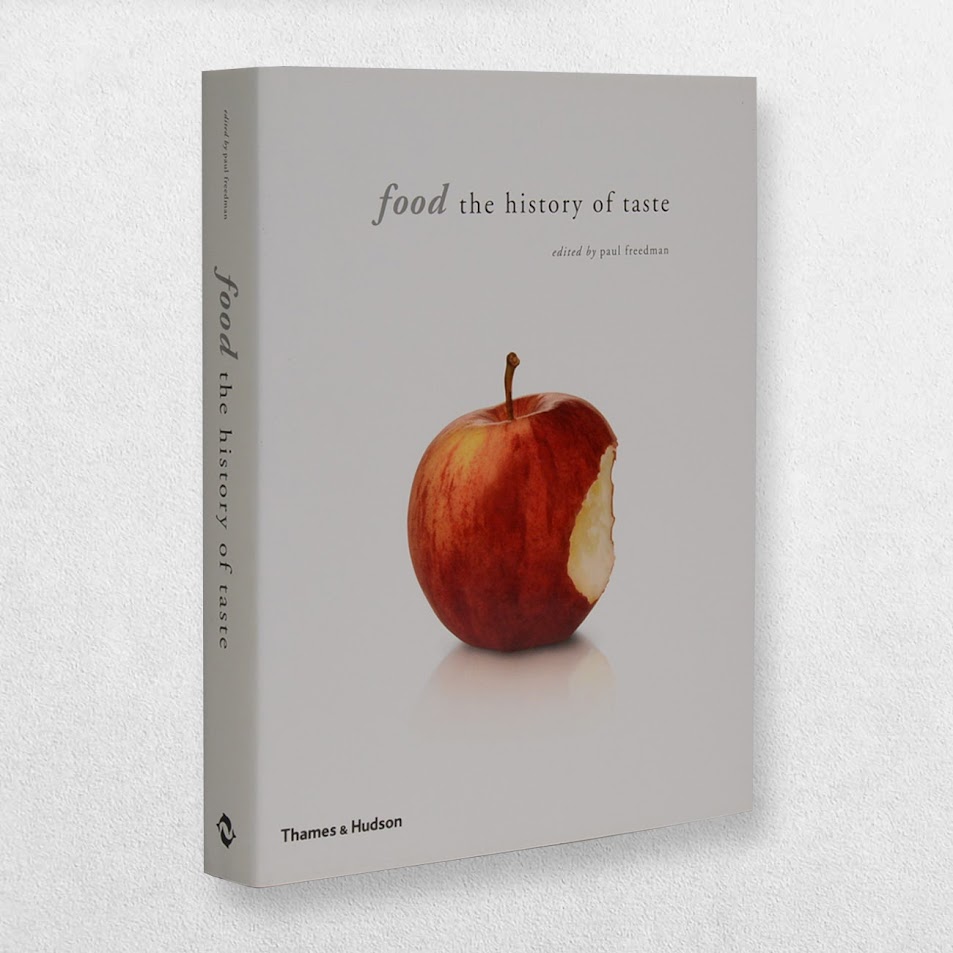
Food The History Of Taste – First Edition – New Copy
Freedman, Paul Edits
£25.00
Availability: In stock
Product Description
Food The History Of Taste – First Edition – New Copy
Author: Paul Freedman Edits
Price: £25
Publisher: Thames & Hudson
Publication Date: 2007
Format: Original cloth. Dustwrapper
Condition: Fine in fine dustwrapper
Pages: 368
Edition: First edition
Location: OSR: 002630
First edition. A new copy which has very minor shelfwear. Fine in fine dustwrapper.
Food The History Of Taste: A Short Critical Review
Food: The History of Taste by Paul Freedman is a richly illustrated and comprehensive exploration of the evolution of human culinary practices and tastes throughout history. Published in 2007, this anthology brings together essays by leading food historians, curated and edited by Freedman, to examine the cultural, social, and economic factors that have shaped the way people eat across different times and places.
Spanning prehistory to the present day, the book offers a multidisciplinary approach, integrating history, anthropology, archaeology, and sociology. With stunning visual content and a scholarly yet accessible tone, it serves as a valuable resource for anyone interested in food history.
Structure and Content
The book is divided into thematic chapters, each focusing on a specific period, region, or aspect of food history. Key sections include:
- Prehistoric and Ancient Diets
This section explores the diets of early humans, focusing on the transition from hunter-gatherer societies to agricultural ones. It highlights how the domestication of plants and animals shaped early food practices and taste preferences. - The Classical World
Freedman and contributors examine the role of food in ancient civilisations such as Greece and Rome, discussing the social and symbolic importance of banquets, the diversity of ingredients, and the emergence of cookbooks. - Medieval Cuisine
A detailed analysis of medieval European food culture, including the influence of religion, trade, and feudalism. This chapter also introduces the concept of “spice culture” and the role of food in demonstrating status and wealth. - Global Exchanges and the Columbian Exchange
This pivotal chapter explores how the Age of Exploration transformed global food systems. It highlights the impact of the Columbian Exchange, tracing the movement of crops, spices, and culinary practices across continents. - The Industrial Revolution and Modernity
The narrative shifts to the industrialisation of food production and the rise of mass consumption. It discusses the emergence of modern food processing, supermarkets, and changes in eating habits due to urbanisation and globalisation. - Contemporary Food Culture
The book concludes with an exploration of modern culinary trends, including the rise of gastronomy, the impact of fast food, and the growing emphasis on sustainability and food ethics.
Strengths of the Book
- Comprehensive Scope
Freedman’s anthology spans an impressive timeline, offering insights into diverse cultures and eras. From prehistoric diets to contemporary food trends, the book provides a broad and detailed overview of food history. - Multidisciplinary Approach
The book draws on various disciplines, including history, archaeology, and sociology, making it a rich and nuanced resource. This approach enhances its depth and appeal to a wide audience. - Expert Contributions
Freedman assembles essays by leading food historians, ensuring a high standard of scholarship. Each chapter is written by an expert in the field, offering authoritative insights into specific topics. - Visual Appeal
The book features stunning illustrations, including photographs, paintings, and historical artefacts. These visuals complement the text, bringing historical food cultures to life. - Accessible Style
Despite its academic foundation, the book is written in a style that is engaging and accessible to general readers. Freedman strikes a balance between scholarly depth and readability.
Limitations and Criticisms
- Eurocentric Focus
While the book covers a wide range of cultures, some critics have noted that it leans heavily towards European history, particularly in its medieval and early modern sections. Other regions, such as Africa and Southeast Asia, receive comparatively less attention. - Uneven Depth
Given the anthology format, the depth of analysis varies between chapters. Some sections are more detailed and engaging than others, potentially leading to a fragmented reading experience. - Limited Focus on Marginalised Groups
The book primarily examines food history from the perspective of dominant cultures and classes, often overlooking the culinary practices of marginalised or underrepresented groups. - Modernity Overshadowing Tradition
The chapters on contemporary food culture may feel disproportionately lengthy compared to earlier eras, giving the impression of a shift in focus from traditional history to modern trends.
Legacy and Impact
Food: The History of Taste has become a cornerstone in the field of food history. It is widely praised for its scholarly rigour and visual richness, appealing to both academics and general readers. The book has contributed significantly to the growing interest in food as a lens through which to study culture, economics, and human development.
Final Thoughts
Paul Freedman’s Food: The History of Taste is a monumental work that offers a fascinating journey through the history of human taste and culinary practices. Its blend of scholarly insight, engaging narrative, and visual appeal makes it an essential read for anyone interested in the history of food.
While it could benefit from a more global and inclusive perspective, the book’s strengths far outweigh its limitations. It stands as both an authoritative reference and an enjoyable read, making it a valuable addition to the library of food enthusiasts, historians, and cultural scholars alike.
Why buy from us?
At Hornseys, we are dedicated to offering items that uphold the highest standards of quality and authenticity. Our book collection is carefully curated to ensure that each edition is a valuable and authentic piece of bibliographical history. Here’s what sets us apart:
- Authenticity and Provenance: Every book is researched, collated and verified for authenticity.
- Expert Curation: Each book is selected using our keen eye for significance, condition, and rarity, ensuring a collection that is both diverse and distinguished.
- Customer Satisfaction: We strive to provide an exceptional customer experience, from detailed descriptions and provenance to secure and prompt delivery of your purchase.
- Returns Policy: We offer an unconditional guarantee on every item. If, however, you wish to make a return, books may be sent back to us within fourteen days of receipt for whatever reason. We request that we are notified in advance if you wish to do so. They must be returned to us in the same condition as they were sent for a full refund.
- Explore Our Collection: Visit Hornseys to explore our fine collection of rare and signed books. Whether you are an avid collector or looking for a special gift, our selection offers something truly unique. Located in the picturesque Yorkshire Dales, our Ripon gallery has been a haven for book lovers, art enthusiasts, and collectors since 1976.