Related products

Paddington Marches On With Card Signed By Michael Bond Loosely Inserted
£545.00Bond, Michael Illustrated By Fortnum, Peggy


You may also like…
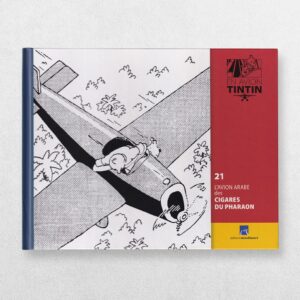
Tintin By Plane – 21 – The Arabian Aeroplane In The Cigars Of The Pharaoh – L’Avion Arabe Des Cigares Du Pharaon – En Avion Tintin
£65.00Hergé & Editions Moulinsart
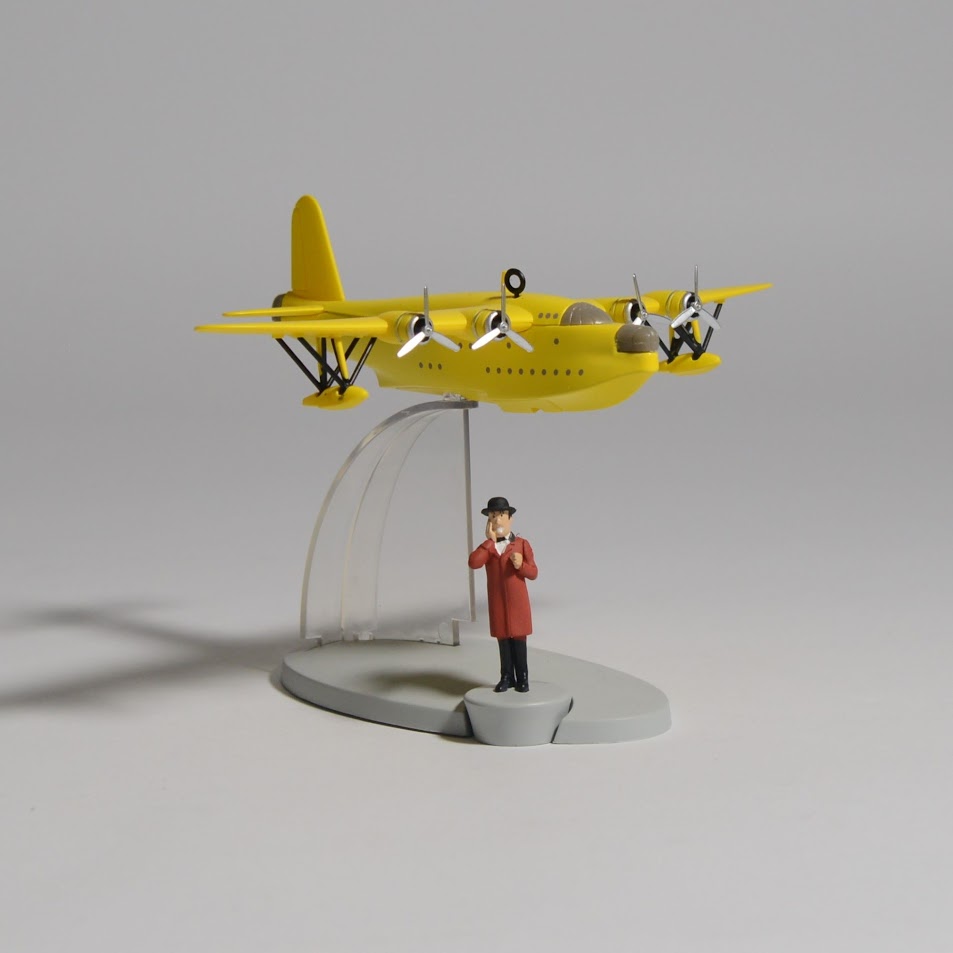
Tintin By Plane – 34 – The Yellow Sabena Aeroplane in The Black Island – L’Avion Jaune De La Sabena Dans L’Ile Noire – En Avion Tintin
£85.00Hergé & Editions Moulinsart
Tintin By Plane – 32 – The Australian Seaplane in Flight 714 to Sydney – L’Hydravion Australien De Vol 714 Pour Sydney – En Avion Tintin
£65.00Hergé & Editions Moulinsart
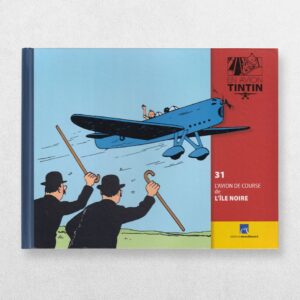
Tintin By Plane – 31 – The Racing Aeroplane From The Black Island – L’Avion De Course De L’Ile Noire – En Avion Tintin
£65.00Hergé & Editions Moulinsart
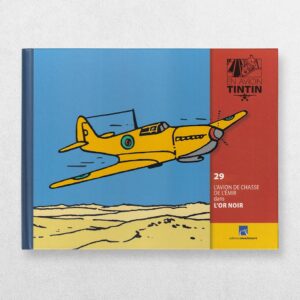
Tintin By Plane – 29 – The Emir’s Fighter Plane – L’Avion De Chasse De L’Emir – En Avion Tintin
£65.00Hergé & Editions Moulinsart
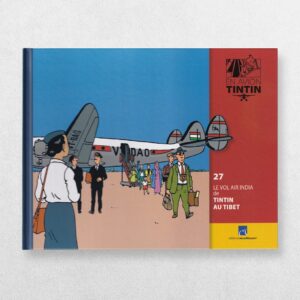
Tintin By Plane – 27 – The Air India Flight From Tintin In Tibet – Le Vol Air India De Tintin Au Tibet – En Avion Tintin
£85.00Hergé & Editions Moulinsart
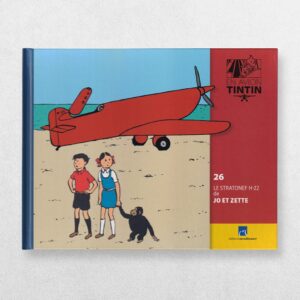
Tintin By Plane – 26 – Le Stratonef H-22 De Jo Et Zette – En Avion Tintin
£65.00Hergé & Editions Moulinsart
Tharkey The Loyal Sherpa Guide – Figurines Tintin La Collection Officielle – 109 – Tharkey Le Fidele Sherpa
£125.00Hergé & Editions Moulinsart
Fakir Cipaçalouvishni – Figurines Tintin La Collection Officielle – 107 – Le Fakir Cipaçalouvishni
£75.00Hergé & Editions Moulinsart
Sheikh Bab El Ehr The Rebel Leader – Figurines Tintin La Collection Officielle – 106 – Le Cheikh Bab El Ehr L’Insurgé
£100.00Hergé & Editions Moulinsart
Chiquito Alias Rupac Inca Huaco – Figurines Tintin La Collection Officielle – 105 – Chiquito Alias Rupac Inca Huaco
£95.00Hergé & Editions Moulinsart
Wronzoff The Accomplice Of Doctor Müller – Figurines Tintin La Collection Officielle – 103 – Le Complice Du Docteur Müller
£70.00Hergé & Editions Moulinsart
Haddock In A Lunar Spacesuit – Figurines Tintin La Collection Officielle – 101 – Haddock En Scaphandre Lunaire
£90.00Hergé & Editions Moulinsart
Madame Clairmont The Filmmaker’s Wife – Figurines Tintin La Collection Officielle – 98 – Madame Clairmont L’Epouse Du Cinéaste
£120.00Hergé & Editions Moulinsart
Bohlwinkel The Crooked Financier – Figurines Tintin La Collection Officielle – 90 – Bohlwinkel Le Financier Véreux
£70.00Hergé & Editions Moulinsart
Omar Ben Salaad Merchant And Smuggler – Figurines Tintin La Collection Officielle – 89 – Omar Ben Salaad Négociant Et Trafiquant
£95.00Hergé & Editions Moulinsart
Max Bird The Ringleader – Figurines Tintin La Collection Officielle – 88 – Maxime Loiseau Le Meneur
£90.00Hergé & Editions Moulinsart
Nestor Halambique – Figurines Tintin La Collection Officielle – 87 – Nestor Halambique Le Sigillographe
£75.00Hergé & Editions Moulinsart
The Joyeux Turluron – Figurines Tintin La Collection Officielle – 86 – Le Joyeux Turluron Danse
£125.00Hergé & Editions Moulinsart
Igor Wagner The Pianist – Figurines Tintin La Collection Officielle – 83 – Igor Wagner Le Pianiste
£65.00Hergé & Editions Moulinsart
Irma The Dresser – Figures Tintin La Collection Officielle – 72 – Irma L’Habilleuse
£28.00Hergé & Editions Moulinsart
Snowy The Messenger – Figurines Tintin La Collection Officielle – 71 – Milou Messager
£65.00Hergé & Editions Moulinsart
Thomson as a Syldavian – Figurines Tintin La Collection Officielle – 59 – Dupont Syldave
£80.00Hergé & Editions Moulinsart
Professor Calculus On Skates – Figurines Tintin La Collection Officielle – 57 – Tournesol En Patins
£50.00Hergé & Editions Moulinsart
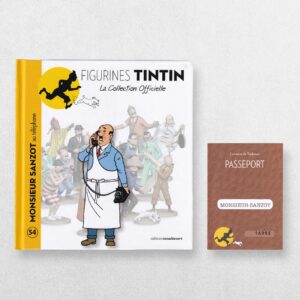
Mr Cutts The Butcher On The Telephone – Figurines Tintin La Collection Officielle – 54 – Monsieur Sanzot Au Téléphone
£65.00Hergé & Editions Moulinsart
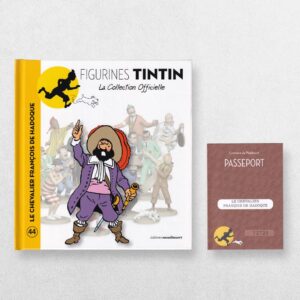
Sir Francis Haddock – Figurines Tintin La Collection Officielle – 44 – Le Chevalier François De Hadoque
£95.00Hergé & Editions Moulinsart
Colonel Sponsz Upset – Figurines Tintin La Collection Officielle – 37 – Le Colonel Sponsz Contrarié
£65.00Hergé & Editions Moulinsart
Monsieur Boullu The Stonemason – Figurines Tintin La Collection Officielle – 35 – Monsieur Boullu Le Marbrier
£50.00Hergé & Editions Moulinsart
Calculus The Gardener – Figurines Tintin La Collection Officielle – 28 – Tournesol En Jardinier
£35.00Hergé & Editions Moulinsart
Haddock As Hadoque – Figurines Tintin La Collection Officielle – 24 – Haddock En Hadoque
£45.00Hergé & Editions Moulinsart
Ridgewell The Explorer – Figurines Tintin La Collection Officielle – 23 – Ridgewell L’Explorateur
£50.00Hergé & Editions Moulinsart
Tintin In Kilt – Figurines Tintin La Collection Officielle – 22 – Tintin En Kilt
£65.00Hergé & Editions Moulinsart
Snowy Stuck In The Crab Tin – Figurines Tintin La Collection Officielle – 19 – Milou Coincé Dans La Boîte De Crabe
£45.00Hergé & Editions Moulinsart
Tintin In A Lunar Spacesuit – Figurines Tintin La Collection Officielle – 7 – Tintin En Scaphandre Lunaire
£55.00Hergé & Editions Moulinsart
Snowy Carries His Bone – Figurines Tintin La Collection Officielle – 6 – Milou Promène Son Os
£60.00Hergé & Editions Moulinsart
Thomson Looking Awkward – Figurines Tintin La Collection Officielle – 4 – Dupond Engoncé
£40.00Hergé & Editions Moulinsart
Haddock Doubtful – Figurines Tintin La Collection Officielle – 2 – Haddock Dubitatif
£40.00Hergé & Editions Moulinsart
Tintin In Trenchcoat – Figurines Tintin La Collection Officielle – 1 – Tintin En Trench-Coat
£75.00Hergé & Editions Moulinsart